The World Cup: A Retail Kick-Off
08/04/2026
Category not found
/Category not found
/Category not found
/Category not found
The World Cup: A Retail Kick-Off
Summer is on the horizon and football fans world wide are waiting for the holy grail of football tournaments, The World Cup. Widely considered the biggest sporting event, The World Cup returns in June, surpassing all other sports in global reach, cultural significance and audience engagement. It isn’t just a sporting occasion, but something the nation celebrates and turns even the most indifferent to into a (sometimes unintentional) football fan as World Cup fever takes hold.
During the last tournament back in 2022, viewing figures in the UK peaked at 21.31million for the quarter final alone, and became the most-watched single channel TV moment of the year. Fast forward to 2026 and a study by YouGov has found that 3 in 10 Britons, and two thirds of football fans, are excited for more thrilling football action from this years’ tournament.
Football is engrained in the culture of the UK, and the sport is known as inherently social as it fosters both community and a sense of belonging with its followers. Those who watch connect through a shared passion and this is evident in both how and when people choose to watch football. Among Britons who plan to watch the World Cup this year, 55% say they plan to watch live at home, 27% say they plan to watch in a pub or bar, and 26% say they will watch at a friends or family’s home.
Despite being hosted in the US, the 2026 World Cup is set to again be a massive commercial event for the UK with domestic consumer spending expected to surge. During the summer of sport, up to £400m is expected to be spent and alongside this, high confidence during successful tournaments can lead to increased household spending, with approximately £75m to £150m in extra sales.
A study from Epsilon looking at consumer spending for the 2026 matches discovered that 3 in 10 football fans say they are likely to choose a brand that launches timely promotions during the World Cup, while a further 2 in 10 believe this influence extends beyond the tournament. Even among non-league fans, 37% say World Cup activity increases their likelihood of choosing a brand during the competition. Key categories which see an uptick in spend include:
- Hospitality: During the Qatar 2022 World Cup, pubs saw an uptick of up to 73% in spend, even during week day matches, with roughly half a million adults choosing to watch in these locations. This year, Stonegate pubs are expected to sell around 7 million pints alone during the tournament, demonstrating the clear appetite for fans to be in the pub and watching with friends. Although fans do also celebrate at home, pubs remain a central venue for communal viewing, with around 128 extra pints sold in the average pub on England match days during the 2022 tournament.
- Retail Food & Drink: A significant amount of spend is seen on drinks and snacks for viewing at home either with family or friends, as well as on supplies such as alcohol and BBQ food for garden parties. In 2022, around £1.6bn was reported to have been spent in supermarkets and convenience stores for the tournament, with the England v Wales match in particular pulling in £104.7 million, as fans prepared to watch at home. In 2026, it has been suggested that because many games shown in the UK will kick off at a later time, a larger share of spend will shift towards food & drink for the home. 71% of fans also say their spending habits are likely to change, with an uplift in snacks and soft drinks for when they are watching on their own or hosting others.
- Electrics & Technology: Many fans use the advent of the World Cup as an excuse to upgrade their home entertainment tech, with approximately 69% of fans planning to make World Cup related purchases before it starts. During this world cup, a ‘second screen’ is no longer a distraction, but a way to be simultaneously messaging, checking stats and scrolling social feeds. Audience interest for these items begins early, with approximately £75m to £150m in extra sales.
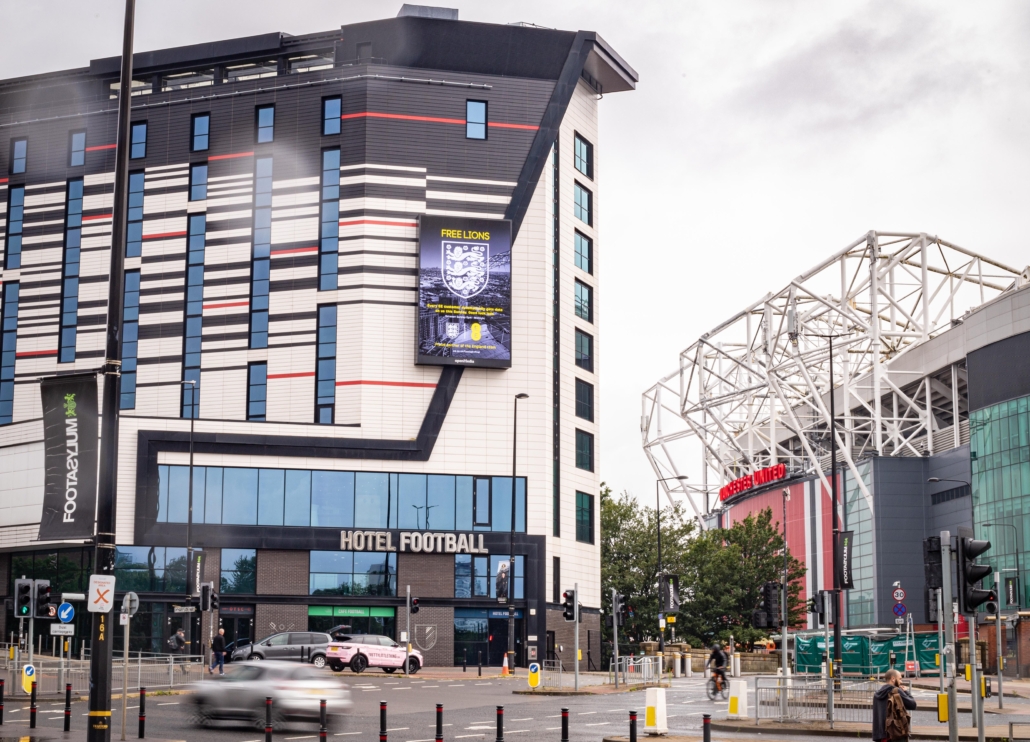
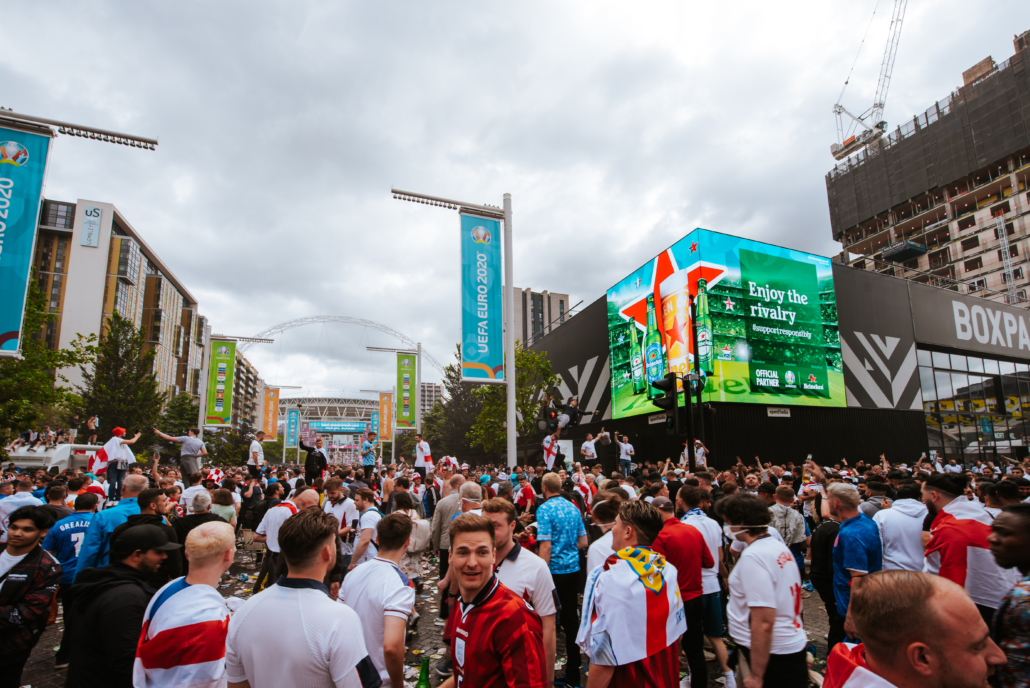
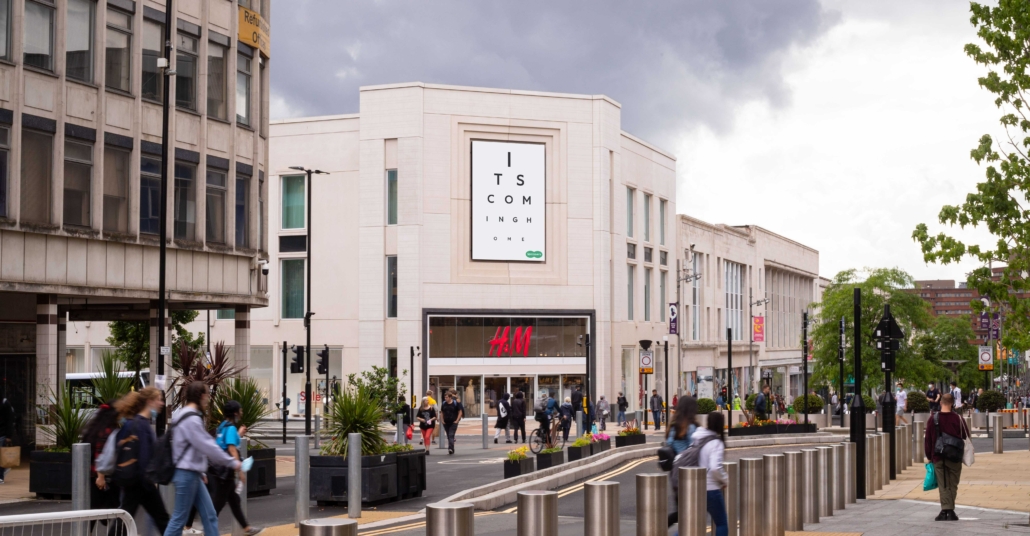
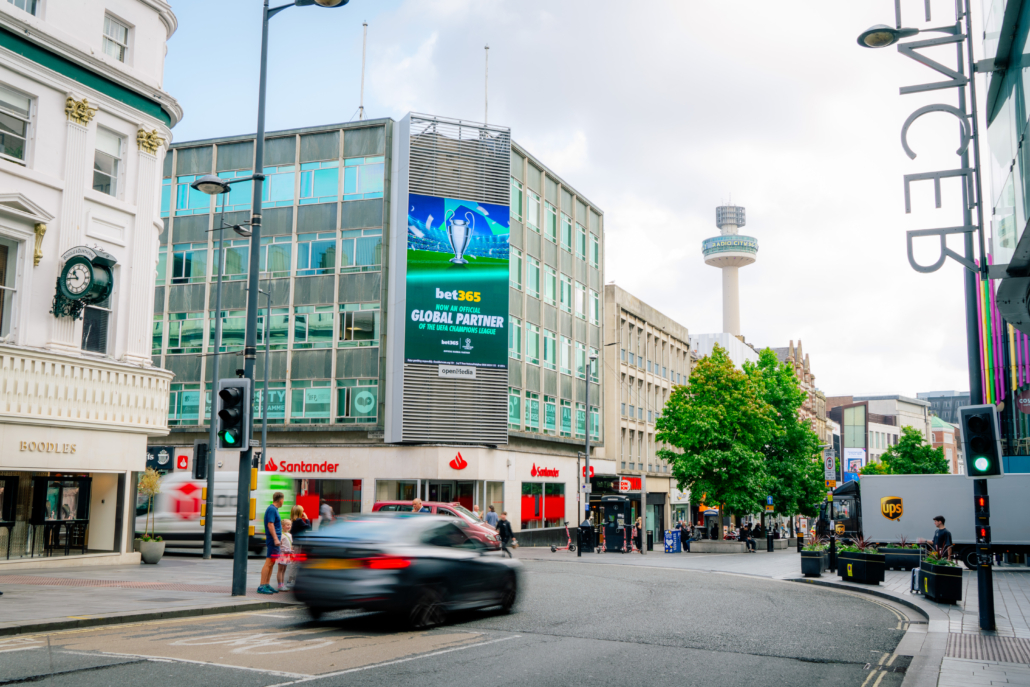
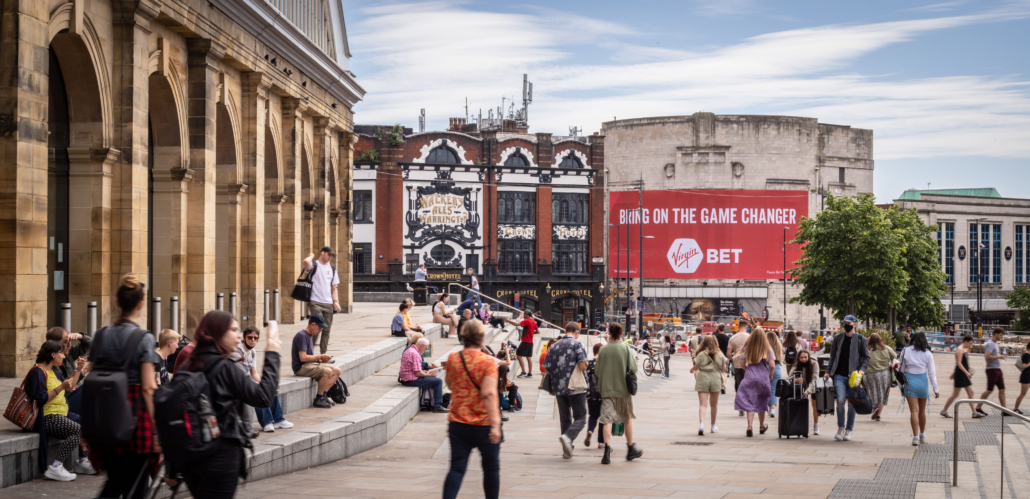
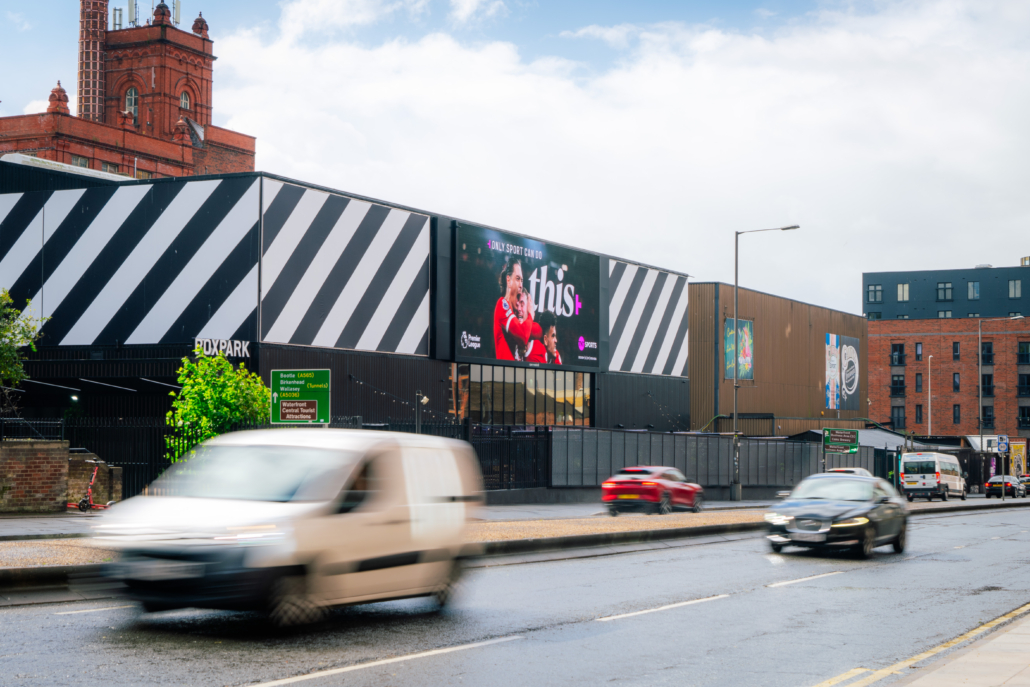
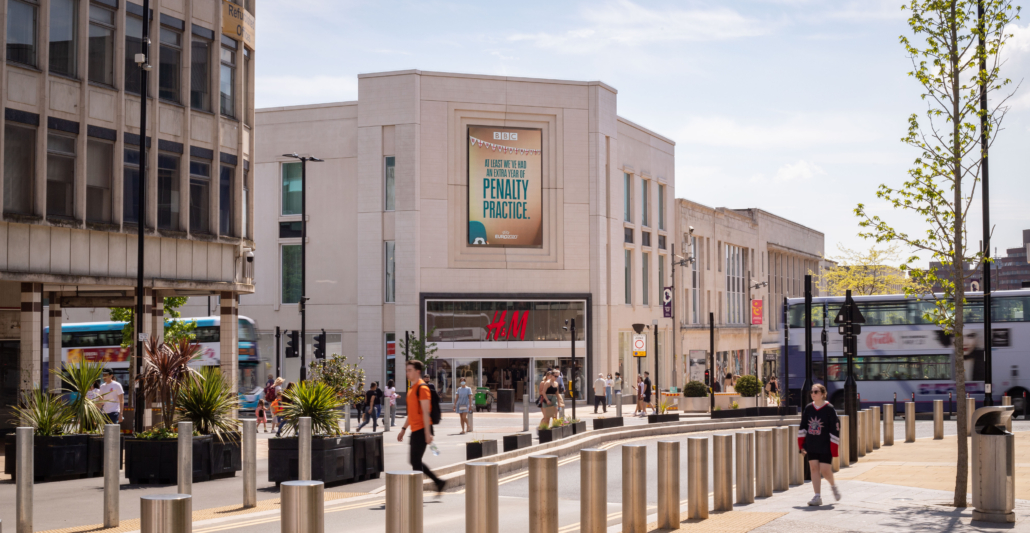
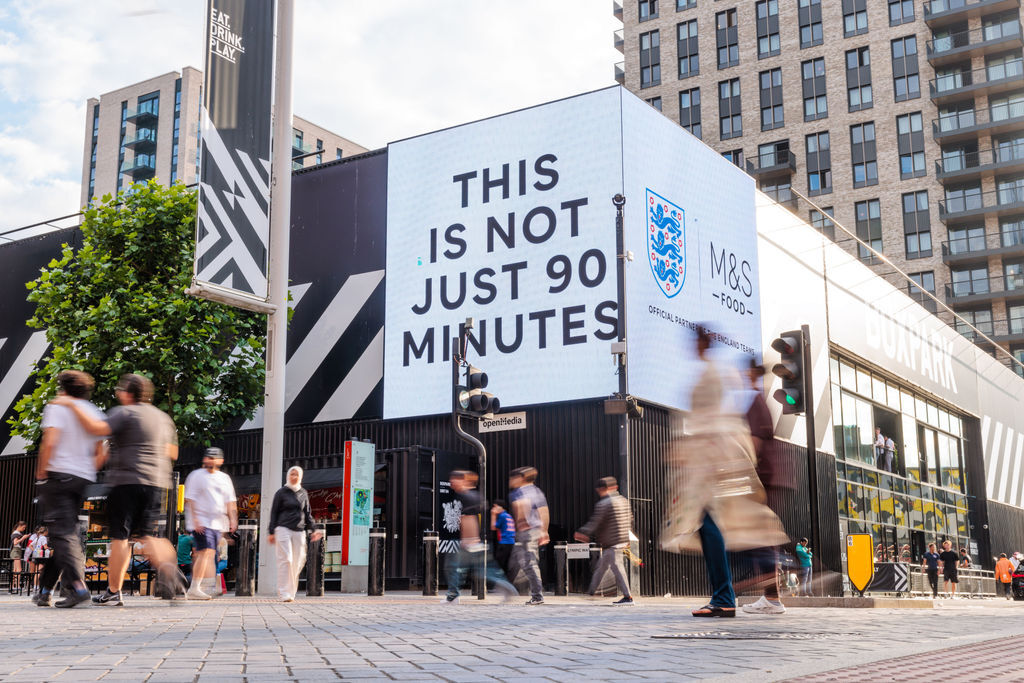
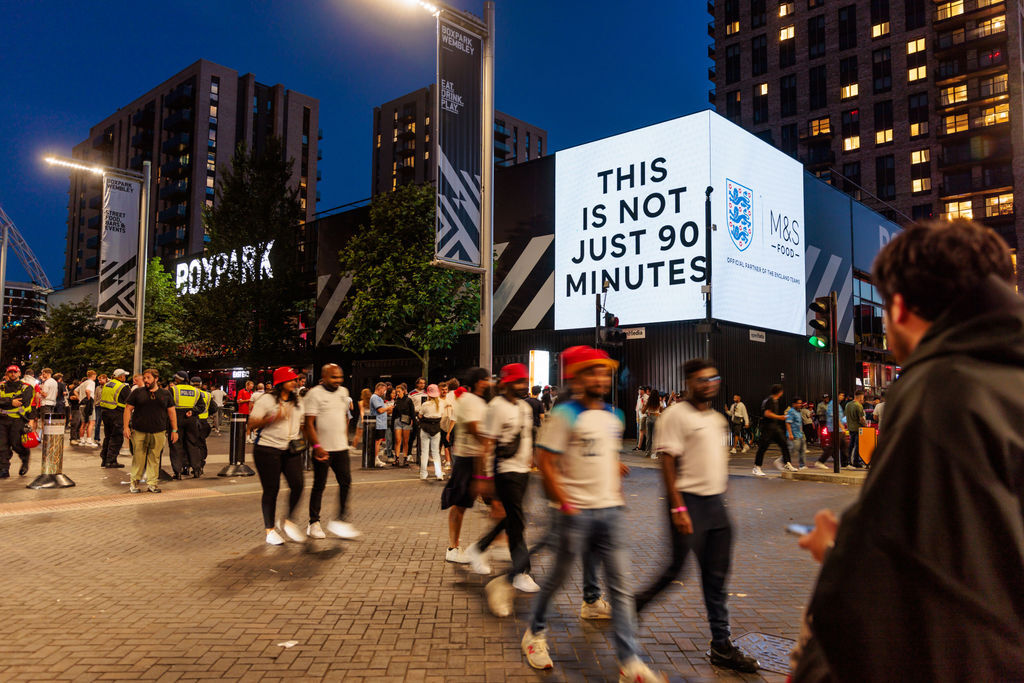
World Cup spending is a once in a four year opportunity for brands to target an extremely unique and receptive set of consumers, and OOH helps to capture the attention of the fans in the physical world where the atmosphere is truly one of a kind.
The World Cup is a social event, and fans are not only just in their homes but in transit hubs, retail locations, bars and pubs, and fan zones. OOH provides the opportunity for brands to be present in these environments when consumers are most engaged and receptive. Not only this but fans who engage with OOH during major sporting events are statistically more likely to spend. According to the OAAA, 90% of fans who recall seeing an OOH ad for a major sporting event take a follow-up action and 99% of fans who attend a game or fan zone after seeing OOH ads end up spending money locally on food, drinks, or merchandise.
Ultimately, the 2026 World Cup represents more than just a spike in the retail calendar; it is a fundamental shift in how UK consumers interact with brands in the real world. OOH advertising offers an unblockable, high impact presence that meets fans where they gather. In a summer set to be defined by cultural moments and collective experience, OOH doesn’t just broadcast a message, it puts brands right into the heart of the action where it matters most.
To learn more about how to utilise OOH during the World Cup campaign, please contact sales@openmedia.uk.com
Source: BBC, YouGov, Fidelity Investments, The Morning Advertiser, FIFTY Insight, Pub&Bar, The Drinks Business, Grocery Gazette, CLH News, Retail Rewired, Epsilon, Talon, Broadsign